Dr Kangna Homoeopathy

Understanding Hypertension (High Blood Pressure)

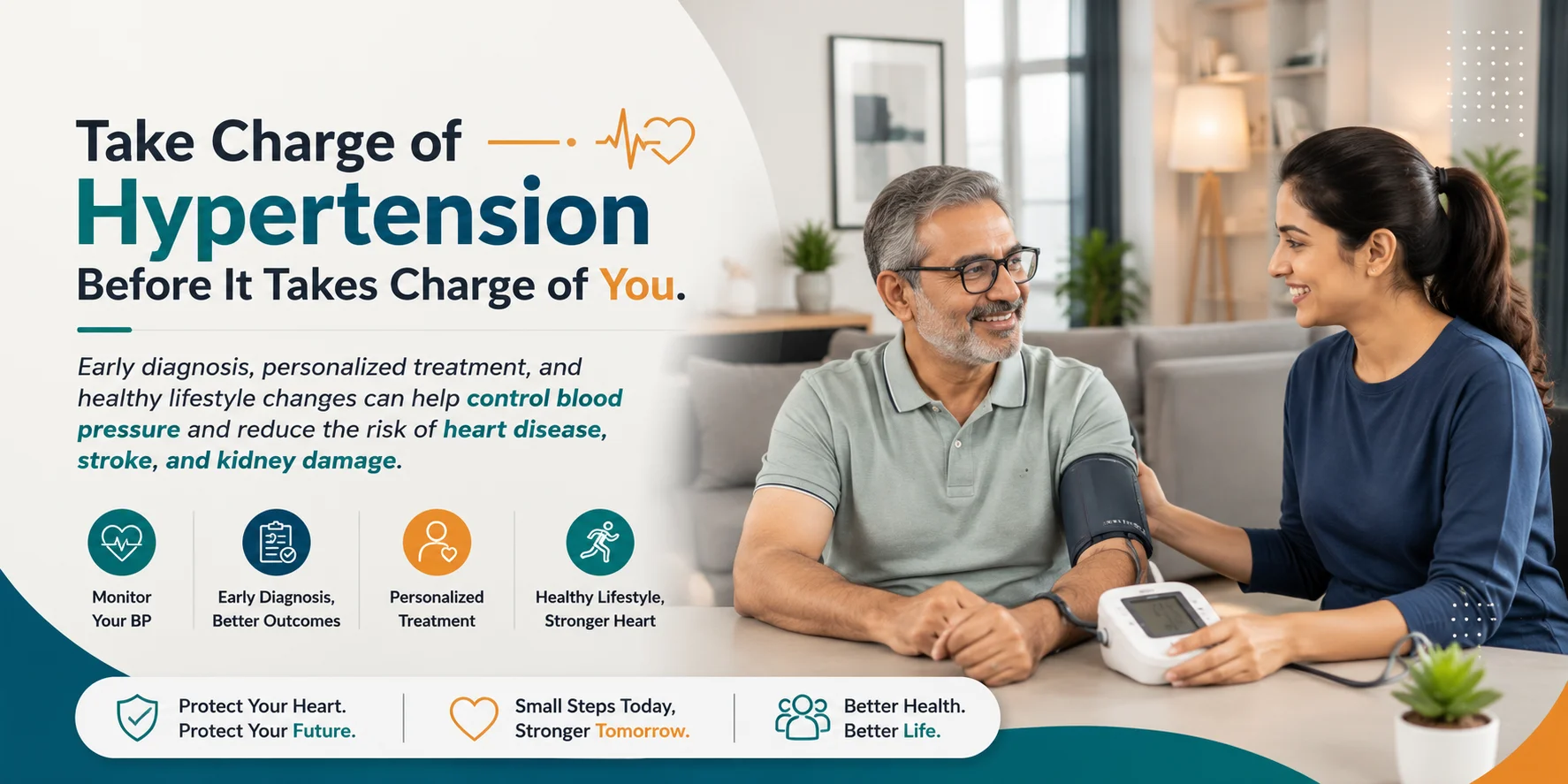
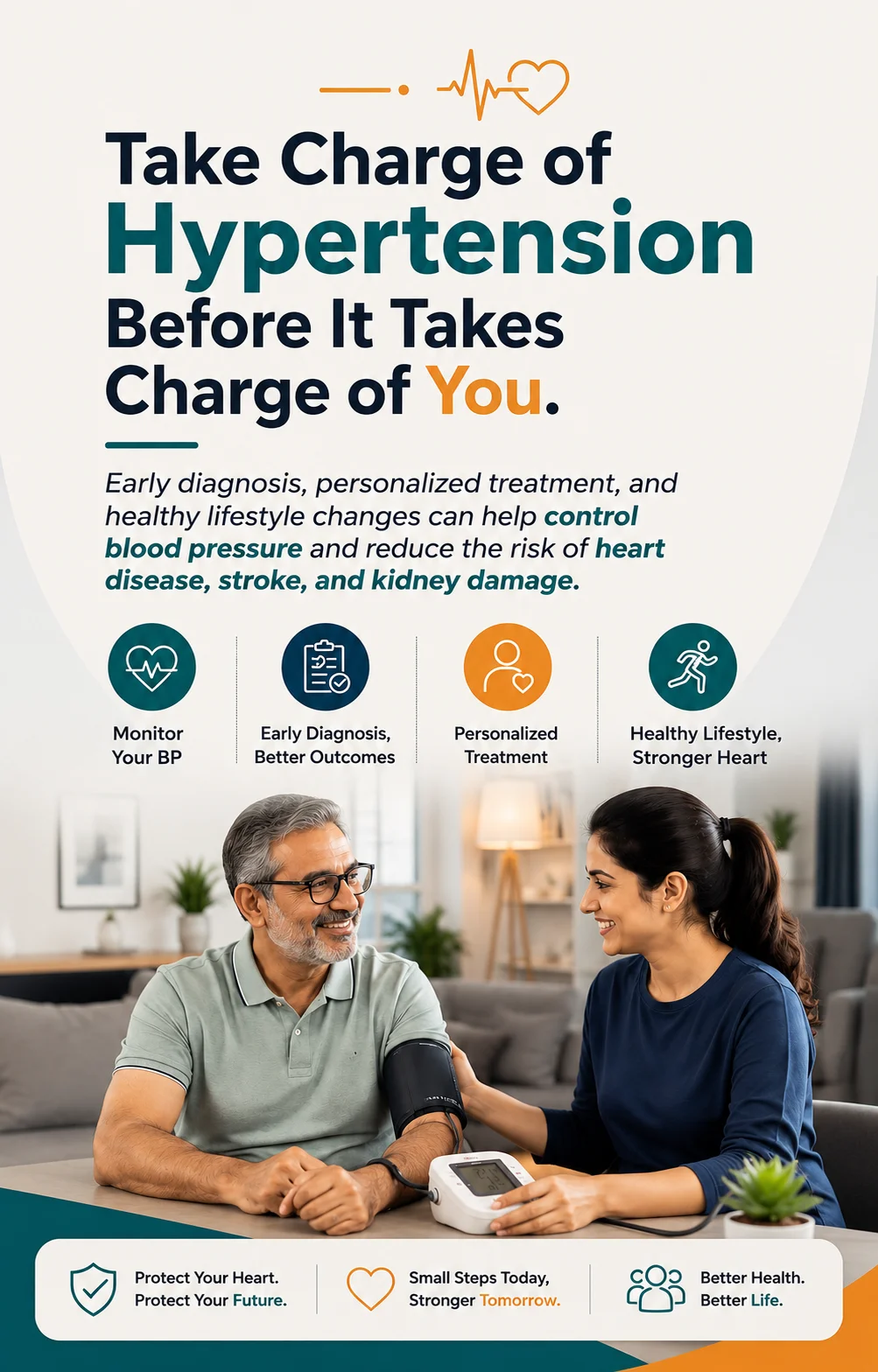
Hypertension, commonly known as high blood pressure, is a chronic condition in which the force of blood against the walls of the arteries remains consistently higher than normal. Over time, uncontrolled hypertension can damage the heart, brain, kidneys, eyes, and blood vessels, increasing the risk of serious health complications.
Because it often develops without noticeable symptoms, hypertension is known as the “silent killer.” Regular blood pressure monitoring is the best way to detect it early and prevent long-term complications.

Blood Pressure Guide

What Is Blood Pressure?

Blood pressure measures the force exerted by circulating blood against the walls of your arteries. Understanding your blood pressure helps you maintain a healthy heart and reduce the risk of cardiovascular diseases.

Understanding Blood Pressure Readings

Blood pressure is recorded using two important numbers that indicate how hard your heart is working.

Systolic Pressure (Top Number)

The pressure created when the heart contracts and pumps blood through the arteries.

Diastolic Pressure (Bottom Number)

The pressure when the heart relaxes between beats while filling with blood.

A consistently elevated blood pressure reading may indicate Hypertension (High Blood Pressure) and should always be evaluated by a qualified healthcare professional for proper diagnosis and treatment.

Hypertension Guide

Common Causes of Hypertension

High blood pressure (Hypertension) often develops gradually over time. In many people, no single cause can be identified (Primary Hypertension), but several lifestyle and medical factors significantly increase the risk.

Major Risk Factors

The following conditions and lifestyle habits are commonly associated with high blood pressure.

Family history of high blood pressure
Increasing age
Overweight or obesity
High salt intake
Physical inactivity
Smoking and tobacco use
Excessive alcohol consumption
Chronic stress
Diabetes
Kidney disease
Sleep apnea
Certain medications

Healthy lifestyle changes such as eating a balanced diet, reducing salt intake, exercising regularly, maintaining a healthy weight, quitting smoking, limiting alcohol, and managing stress can help lower the risk of hypertension.

Hypertension Awareness

Signs, Symptoms & Who Is at Higher Risk?

High blood pressure (Hypertension) is often called the "Silent Killer" because many people experience no symptoms until blood pressure becomes dangerously high. Regular health checkups are essential for early detection.

Signs & Symptoms

When blood pressure becomes very high, symptoms may include:

Persistent headaches
Dizziness
Blurred vision
Nosebleeds
Chest pain
Shortness of breath
Palpitations
Fatigue

Who Is at Higher Risk?

You may be at greater risk if you:

Are over 40 years of age
Have a family history of hypertension
Are overweight or obese
Have diabetes or high cholesterol
Lead a sedentary lifestyle
Consume a high-salt diet
Smoke or use tobacco products
Have chronic kidney disease

Important Health Advice

Most people with hypertension do not experience noticeable symptoms. Regular blood pressure monitoring, a healthy diet, exercise, stress management, and routine medical checkups are the best ways to prevent complications and maintain a healthy heart.

Hypertension Care

Possible Complications & Treatment Management

Proper management of hypertension is essential to prevent life-threatening complications and maintain long-term heart health.

Possible Complications

If left untreated, hypertension can lead to serious health problems including:

Heart attack
Stroke
Heart failure
Kidney damage
Vision loss
Peripheral artery disease
Aneurysm
Cognitive decline and dementia

Early diagnosis and effective blood pressure control can significantly reduce these risks.

Treatment & Management

Managing hypertension usually involves a combination of lifestyle changes and medications when required.

Healthy Lifestyle Changes

Reduce salt intake
Eat a balanced diet rich in fruits, vegetables, whole grains and lean proteins
Maintain a healthy body weight
Exercise regularly (at least 150 minutes of moderate activity per week)
Stop smoking
Limit alcohol consumption
Manage stress effectively
Get adequate sleep
Why Choose Us

Why Choose Dr. Kangna's Homoeopathy?

Experience compassionate care, personalized wellness guidance, and a holistic approach designed to support your long-term health journey.

Personalized Treatment

Personalized Treatment

Individualized care for every patient by considering medical history, lifestyle, emotional well-being, and individual health needs before planning treatment.

Compassionate Listening

Compassionate Listening

Healing begins with understanding. Every patient receives the time and attention needed to share their concerns comfortably.

Root Cause Evaluation

Root-Cause Oriented Evaluation

We focus on identifying the underlying causes of health concerns, not just managing symptoms, for comprehensive care.

Holistic Approach

Holistic Approach

Physical symptoms are evaluated together with emotional well-being and lifestyle factors to support overall health.
Dedicated Follow-Up

Dedicated Follow-Up

Regular follow-up appointments help monitor your progress, assess changes, and adjust your treatment plan whenever required.
Online Consultation

Online Consultation Available

Convenient virtual consultations allow you to receive professional homoeopathic care from the comfort of your home.

Patient Education

Patient Education

We empower patients with clear guidance on health conditions, nutrition, lifestyle, and preventive measures for better long-term wellness.

Professional Practice

Professional & Ethical Practice

Our recommendations are guided by patient safety, transparent communication, and evidence-informed medical practice.

Scroll to Top